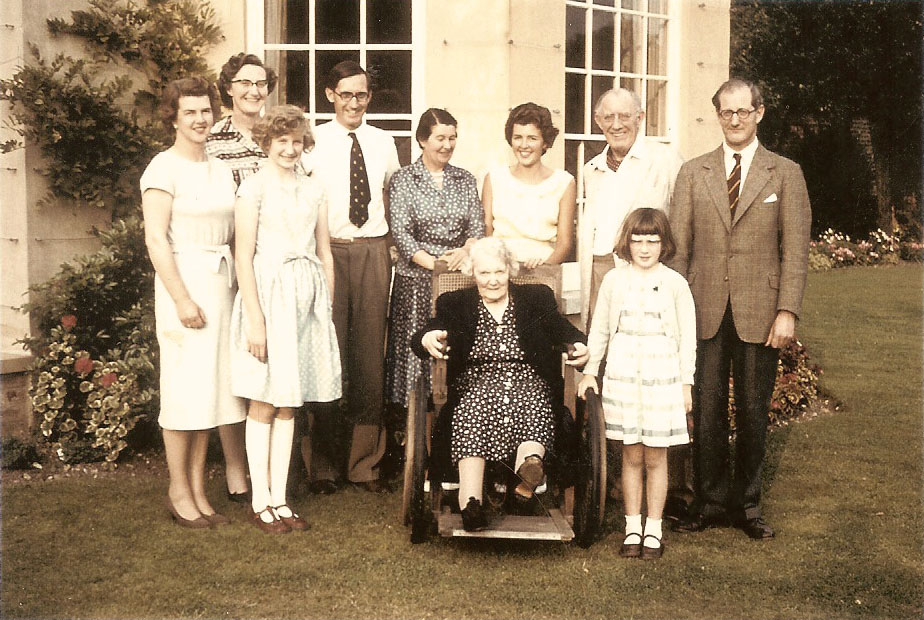
Dame Cicely Saunders Biography
When you have read this, click here for "The Brother's Story"
Beginnings

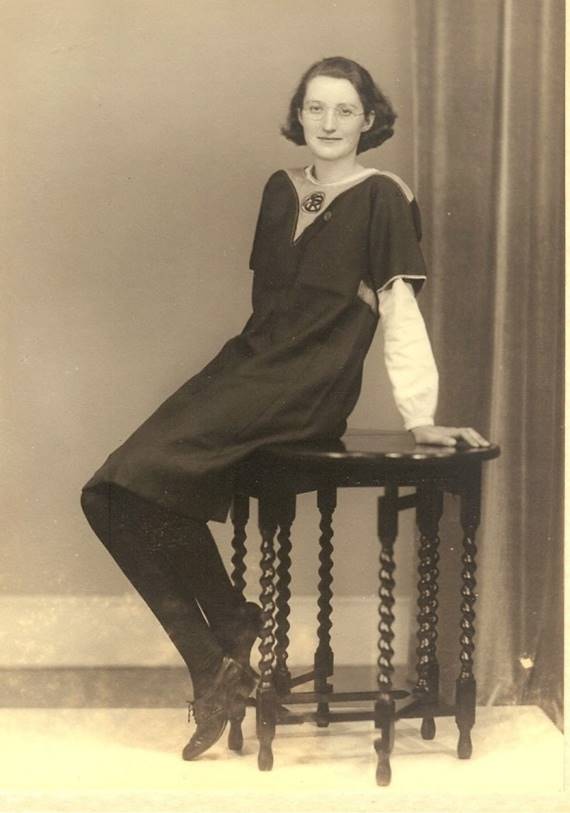
Dame Cicely Saunders was born in 1918, the oldest of three children. She was educated at Roedean School (1932 to 1937) and then went to St Anne’s College Oxford to read PPE. The war intervened and with the sense that she wanted to do something more useful, she left to study nursing at St Thomas’ Hospital, qualifying in 1944. After the war, she returned to St Anne’s and in one year completed her degree and got a Diploma in Public and Social Administration passing with distinction, then moved on to become a Lady Almoner.
Interest in Palliative Care


Her interest in palliative care and pain control developed early. From 1945 as an Almoner and then working in hospice care as a volunteer nurse, she was involved with the aftercare of patients with terminal illness. She saw what was needed, particularly better pain control, and started planning a specialised hospice in the late 1950s.
Dedication


Copyright photograph by Derek Bayes
Having been told that she would never get such ideas accepted in medicine unless she became a doctor, Cicely qualified as a doctor at St Thomas’ Medical School in 1957. In 1958 she was awarded a research scholarship by the Halley Stewart Trust to work on pain control in the terminally ill, working based at St Joseph’s Hospice in London. This was a decisive moment in forming her future plans.
St Christopher’s Hospice


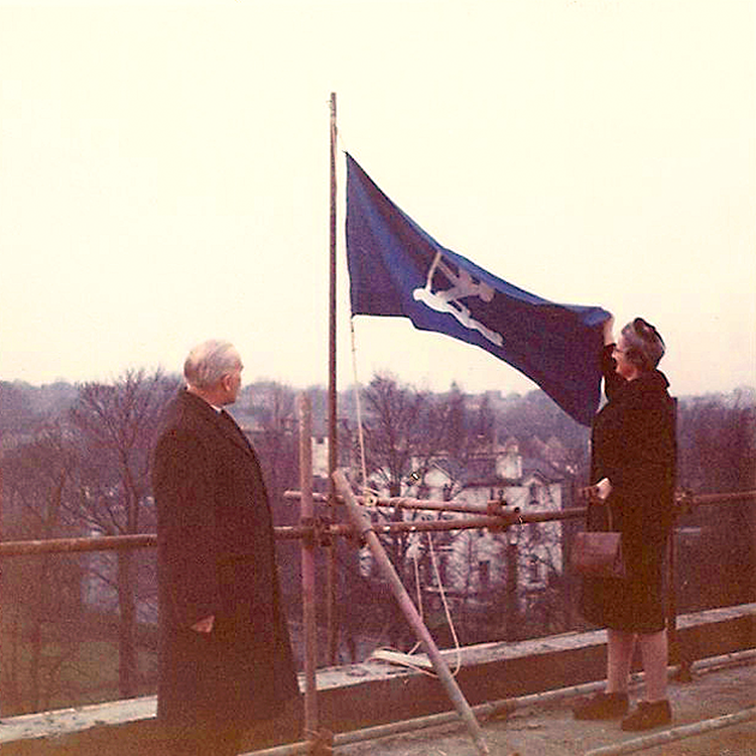
Dame Cicely planned that St Christopher’s would be the first research and teaching hospice linking expert pain and symptom control, compassionate care, teaching and clinical research, pioneering the field of palliative care. She began fundraising for the Hospice in 1963 whilst at St Joseph’s and by 1965 she had enough to start building. St Christopher’s Hospice opened in 1967.
How would I summarize Cicely’s personality in a few words? Visionary, charismatic, empathic. Not one to suffer fools gladly, but loyal and supportive. In my case, enabling me to develop latent talents, and go on to enjoy an immensely rewarding and fulfilling career.
Dr Robert Twycross
Work Life
During her 34 years as Medical Director, Chairman and Founder/President of St Christopher’s Hospice, Dame Cicely was also a trustee of a number of grant giving trusts, including: Member of the Medical Research Council 1976 – 1979; Deputy Chairman, Attendance Allowance Board 1971 – 1985; a Founder, and Hon. President, National Council for Hospice & Specialist Palliative Care Services 1992 – date; Trustee, Elizabeth Clark Trust 1986 – 1996; Trustee, Goldsmiths’ Charitable Trust 1997 – 1998.
The Cicely Saunders Institute

Recognising that more research in Palliative Care was needed to support this growing specialty, Cicely believed that “we need one really serious research foundation to set standards for the world. Also, the hospice movement has largely concentrated on cancer; we need to look at other things, at what we can do for people with strokes and motor neurone disease. We need to go on learning so that in 10 years’ time we are doing things better than we are now. “ Thus, in 2002 in her early eighties, Cicely became a Founder Trustee and President of The Cicely Saunders Foundation (now Cicely Saunders International). Following a fundraising campaign by the trustees of Cicely Saunders International, £10 million was raised for the construction of The Cicely Saunders Institute. It opened on the Denmark Hill campus of King’s College London in 2010. It is the first institution in the world where researchers, practitioners, teachers and care are brought together under one roof, creating a complete multi-professional environment.
Dame Cicely


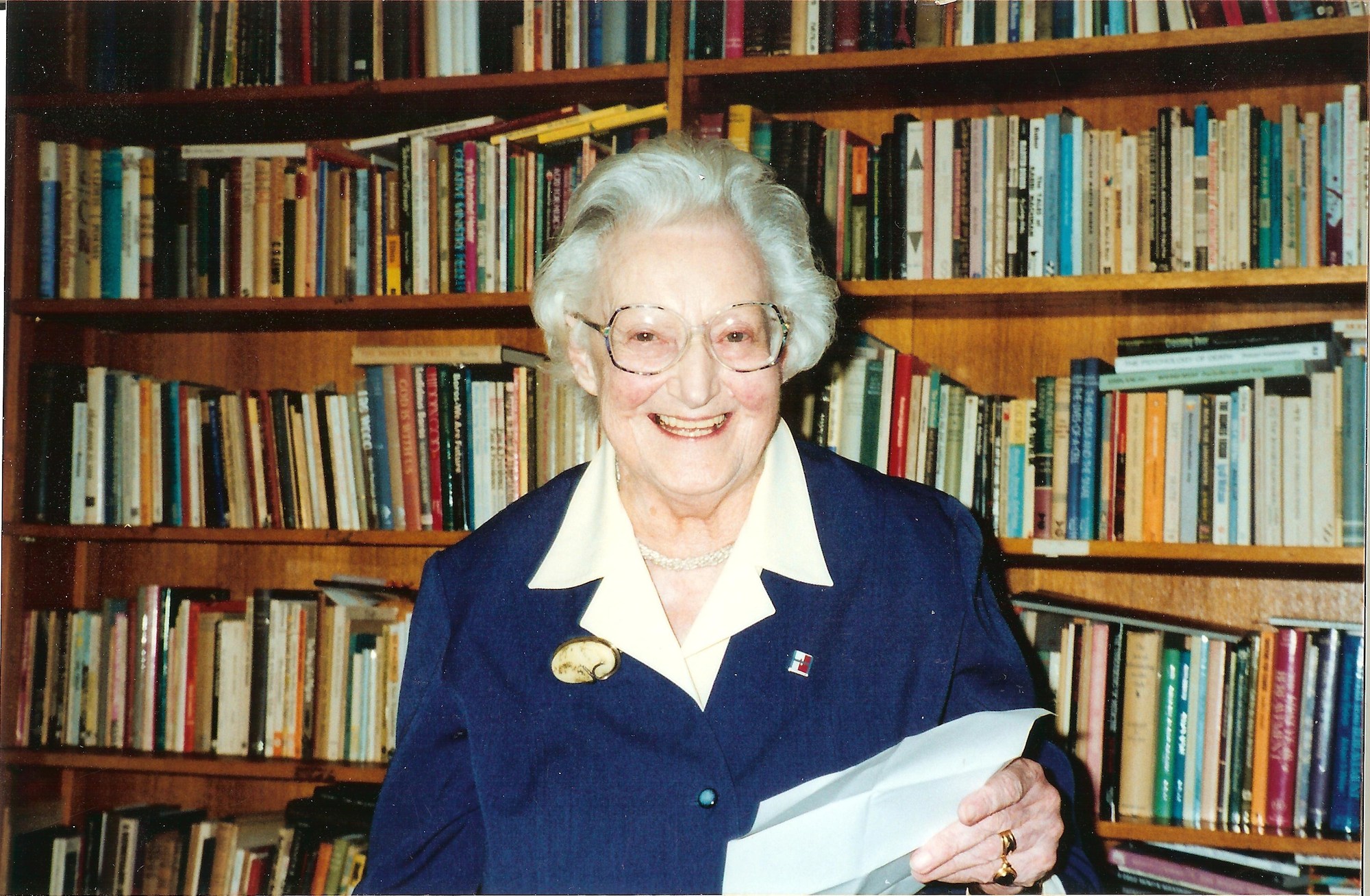
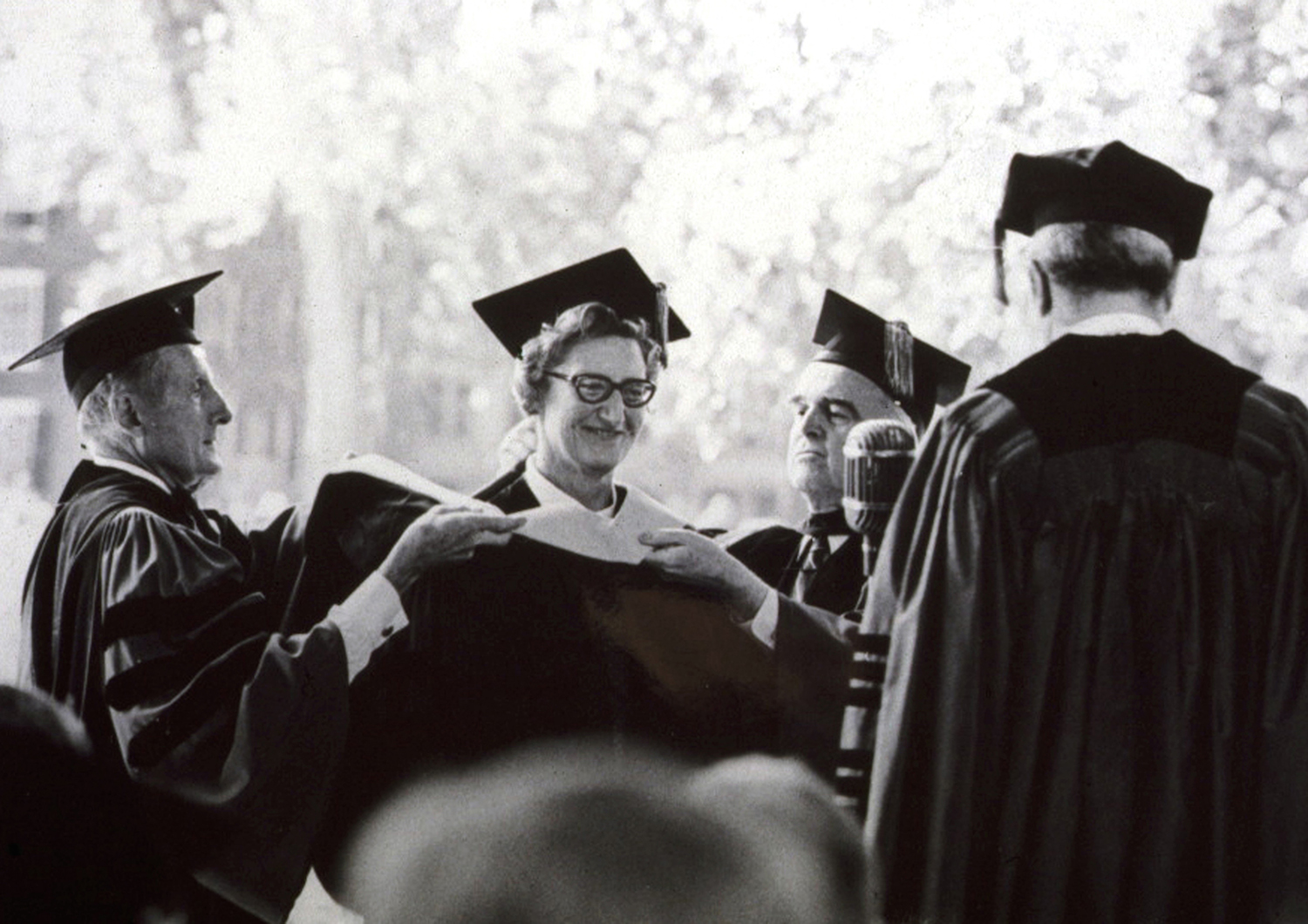
Throughout her life, Dame Cicely lectured widely on the subject, wrote many articles and contributed to a great number of books. She was also involved with the creation of hospice teams around the world. She is universally recognised as the founder of the modern hospice movement and received many honours and awards for her work. In 1987, her work contributed also to the decision by The Royal College of Physicians to recognise Palliative Care as a new medical speciality. She held over twenty honorary degrees from the UK and overseas. Awards include the British Medical Association Gold Medal for services to medicine, the Templeton Prize for Progress in Religion, the Onassis Prize for Services to Humanity, the Raoul Wallenberg Humanitarian Award, the Franklin D. Roosevelt Four Freedoms for Worship Medal. She was made a Dame of the Order of St Gregory the Great by His Holiness The Pope. Dame Cicely was made a Dame of the British Empire in 1980 and was awarded the Order of Merit by Her Majesty the Queen in 1989.
A bibliography of publications by Dame Cicely Saunders is available on the website of the End of Life Studies Unit at the University of Glasgow. An interview with Dame Cicely Saunders broadcast in 1975 features in the Women’s Hour Collection archive online at http://www.bbc.co.uk/programmes/p01lfp9z
Dame Cicely died on 14 July 2005 at St Christopher’s Hospice. A Service of Thanksgiving for her life and work was held at Westminster Abbey in March 2006 which was attended by nearly 2000 people.
We used to have supper with Cicely on a regular basis. When she was well enough, she came to us. When she was less mobile, we changed the meal to lunch and I took it to her home. She always provided sherry and ginger beer, before and during the meal. On one of her journeys she said to my husband “If one man from a poor village in India dies without pain because of what I have done, it will all have been worthwhile.”
Dr Mary Baines, Emeritus Consultant in Palliative Medicine at St Christopher’s Hospice